
SchoolZone: life finds a way
How old are microbes? How are cells formed? Use this practical activity to demonstrate how and when life evolved.
Access a vast range of resources for members, curated by the Education and Outreach Network, covering higher education teaching of microbiology and community engagement work.
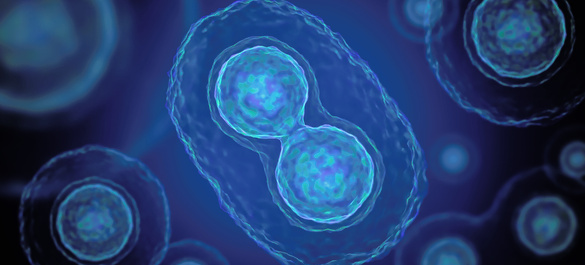
How old are microbes? How are cells formed? Use this practical activity to demonstrate how and when life evolved.
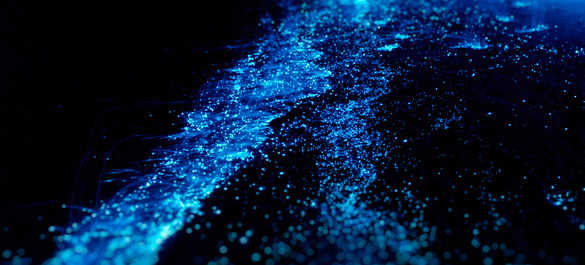
What is bioluminescence? What are dinoflagellates? Learn about the unicellular algae responsible for making the sea in the Maldives glow like a starry night sky.
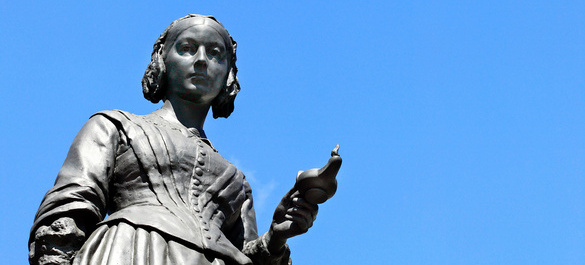
Learn about the life of Florence Nightingale, statistician and the founder of modern nursing, who reformed healthcare by successfully campaigning for good sanitation practices.

Examine sealed cultures to discover how fungi grow, and learn how scientists identify different species by studying their shape, size, texture, and colour.

Examine sealed cultures to explore how bacteria grow, and learn how scientists use colony shape, size, texture, and colour to identify different bacterial species.
What are protists and why should I care? Watch this video to delve into Kingdom Protista and find out more about protists vital role in health, the environment and scientific research.

What are archaea? And what makes them so unique? Watch this video to explores how these fascinating micro-organisms were first discovered – and how they have even made us reconsider our own place on the tree of life.
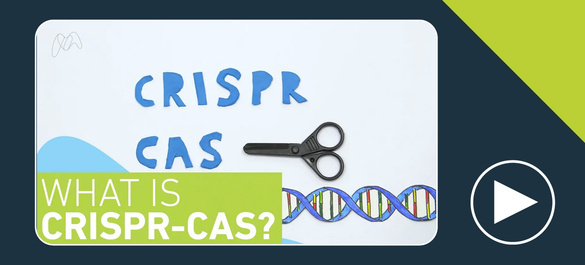
CRISPR-Cas is a powerful technology that is used within biology to cut and paste DNA. But how do micro-organisms use CRISPR to fend off parasites like viruses?
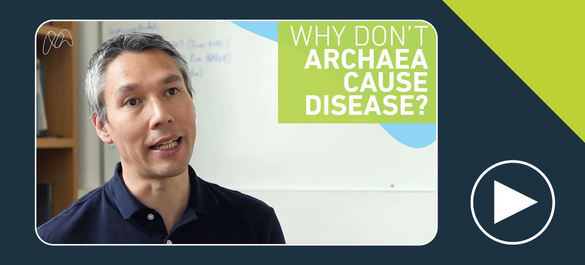
How are archea different from bacteria? Why are achaea not pathogenic? Watch this video to learn about some of the questions about archea that scientists are still trying to answer.
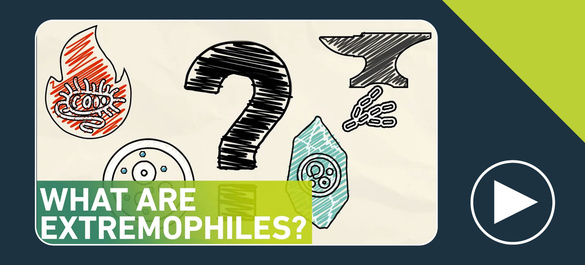
What are the four types of extremophiles? How are extremophiles able to survive? Watch this video to learn about how these micro-organisms withstand the most severe conditions.
What is astrobiology? How can it contribute to planetary protection? In this video, Dr André Antunes takes us through the importance of studying astrobiology.
The microbes associated with our food tend to have a bad name – food poisoning is often in the news. Yet while some make us ill and others can be a nuisance by spoiling our food, without the activities of microbes there would no bread, cheese, beer or chocolate. Friend or foe – food microbes are always on the menu.
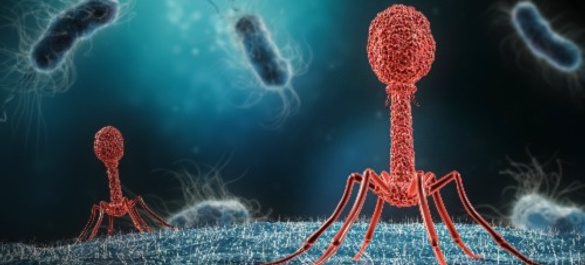
A school-friendly assay using T4 bacteriophage and its host, Escherichia coli.
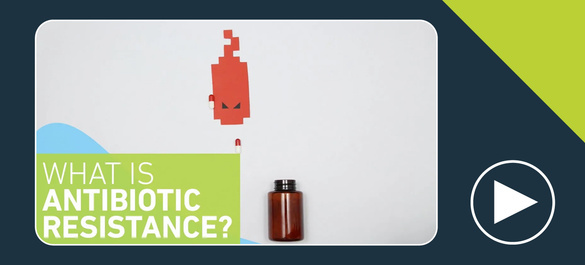
How do antibiotics work? And how can we stop antibiotic resistance? Watch this video to learn more.

Our common misconceptions infographic in an A4 document.

Our common misconceptions infographic in as slides.
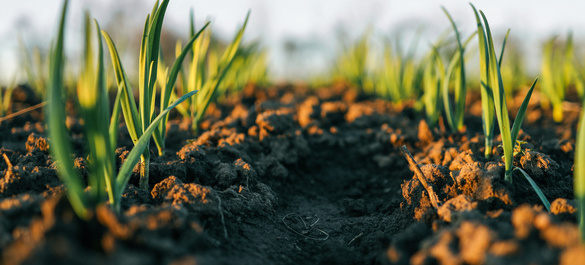
'Antibiotics Unearthed' was a public engagement venture inspired by the Small World Initiative™, organised and managed by the Microbiology Society for four very successful years.
Antimicrobial resistance (AMR) is one of most urgent global threats today. Microbiologists in academic, industrial and clinical settings worldwide are at the forefront of developing innovative solutions to tackle AMR.
Antimicrobial Resistance (AMR) is when harmful microbes – known as pathogens – evolve to evade the treatments used against them. In Part 2, we talk about the role of vaccines in combatting AMR.

Washing your hands is a simple, cheap and effective of preventing the spread of germs and disease – but many of us don't wash our hands as often as we should?
What role does the microbiome play in human health? And where else can microbiomes be found?
Why is the gut microbiome vital for our survival? And how is it linked to our brain, gut and digestive health?
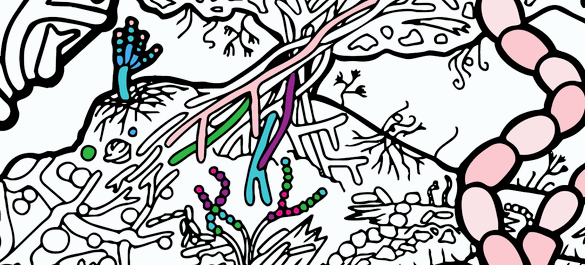
Designed by Society Champion, Eliza Wolfson, these microbiome colouring sheets provide a fun microbiology-themed activity!
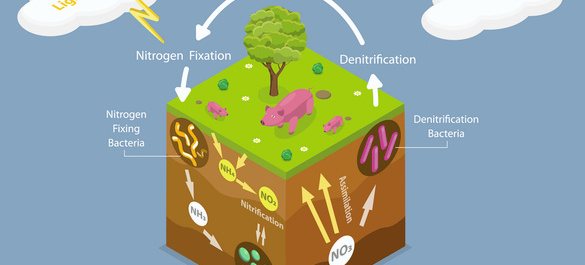
What are nitrogen-fixing bacteria? And how do they adapt to their environment? Follow this practical to show the role of microbes in the nitrogen cycle.
How do microbes help keep the planet healthy? Could we use micro-organisms to remove or degrade pollutants from our environment?
How has climate change and globalisation caused emerging and re-emerging arboviruses to expand their geographical range, leading to more frequent outbreaks?
What are the processes and challenges involved in developing an HIV vaccine?