Why Microbiology Matters

Microbes are everywhere and affect almost all aspects of our lives. Microbiology answers big questions by giving us knowledge of very small things. Microbiologists, such as our members, address challenges ranging from urgent problems demanding immediate solutions, such as new and emerging diseases, to long-term issues, like antimicrobial drug resistance and environmental sustainability.

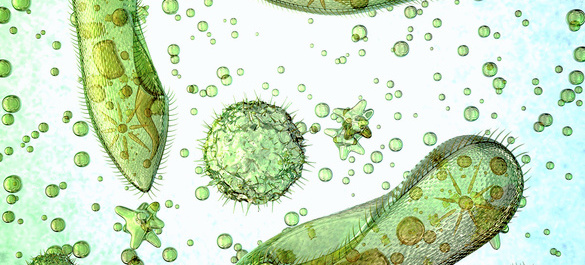
Small, light green, transparent microbes.

What is microbiology?

By studying small things, microbiologists can answer some big questions which affect many aspects of our lives, from degrading food waste to causing and curing disease. Explore the fundamentals of microbiology and why it matters.

KOAMR-banner-final.png

Knocking Out Antimicrobial Resistance

The Microbiology Society is leading the way with the Knocking Out AMR project, an ambitious, bold and extensive scheme of work aiming to promote feasible and effective solutions to AMR.

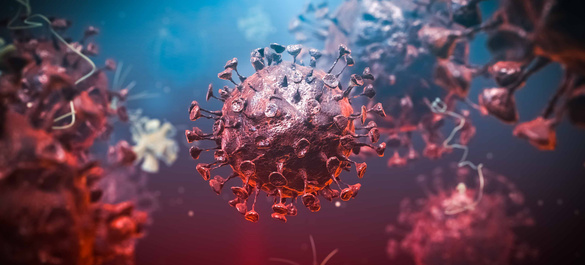
Red COVID-19 viruses close up.

SARS-CoV-2 and COVID-19

While COVID-19 is no longer considered a pandemic, it is still a threat to public health and there is much more to learn about the disease. Discover what we do know, and what our community is doing to find out more.

Soil-sample-iStock-Sinhyu.jpg

Microbiome

Learn about the fundamentals of the microbiome, what it is, why it matters and explore the work that the Microbiology Society community does on the microbiome.

Outline of a world map with the continents surrounded by green forests, instead of oceans.

Climate Change

It is important that microbiologists investigate the role of microbes in climate change not just for our understanding of the crisis but also so that they can begin to think of ways to tackle it.

vaccines-placeholder.jpg

Vaccines

Vaccines are often regarded as one of the greatest advancements in modern medicine but despite their incredible successes, vaccines can still do so much more for medicine.

new policy page header.png 1

Policy

The Microbiology Society widens the impact of microbiology by drawing on the expertise of its membership and amplifying their voices in policy circles