
Climate Change, Environment and Sustainability

Explore our policy work on climate change, the environment and sustainability

We work with our members to maximise the impact of microbiology in tackling climate change, environment and sustainability challenges. Here you will find our policy work that unlocks the potential of our members expertise in addressing these issues.

Consultation Responses 

Wales

Natural Resources Wales 'Nature and Us' Survey

The Microbiology Society submitted a written response to the Natural Resources Wales ‘Nature and Us’ survey on the future of Wales’ natural environment and the societal changes needed to protect nature. Natural Resources Wales is the principal advisor to the Welsh Government, industry and the wider public about issues relating to the Welsh environment and its natural resources.
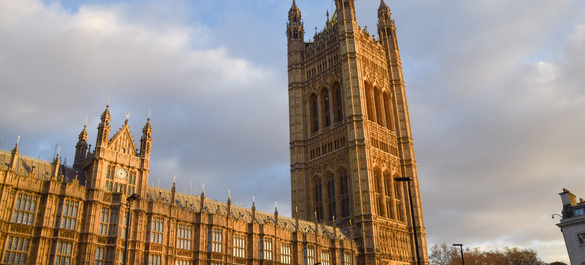

The Houses of Parliament.

House of Commons Environmental Audit Committee: Biodiversity and Ecosystems Inquiry

The Microbiology Society submitted a written response to the Environmental Audit Select Committee’s Inquiry ‘Biodiversity and Ecosystems’, which examines how best to protect and enhance biodiversity whilst considering nature-based solutions to climate change and the 2030 Sustainable Development Agenda.

Collection of green and wooden seats with three speaker microphones.

House of Commons Environmental Audit Committee: Greening the Post-Covid Recovery Inquiry

The Microbiology Society submitted a written response to the Environmental Audit Select Committee’s Inquiry ‘Greening the post-COVID’ recovery, which is looking at how to align any post-pandemic economic stimulus package with the UK’s climate and environment goals. Our response includes a call for Government to further invest in microbiological research to tackle future global challenges.

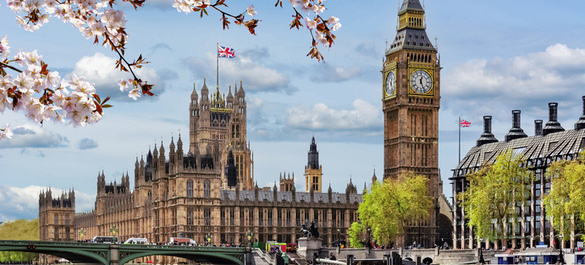
Big Ben, on cloudy, blue skies.

House of Lords EU Energy and Environment Sub-Committee Brexit: Plant and Animal Biosecurity Inquiry

The Microbiology Society submitted written evidence to the House of Lords EU Energy and Environment Sub-Committee’s Brexit: Plant and Animal Biosecurity Inquiry. The inquiry sought to map out the challenges and opportunities the Government will face in relation to plant and animal biosecurity as a result of Brexit.

The Houses of Parliament.

House of Commons Environmental Audit Committee: Soil Health Inquiry

The House of Commons Environmental Audit Committee launched an inquiry into UK soil health to examine the importance of soil health, how it can be measured and UK government policy on soils.


Briefings 

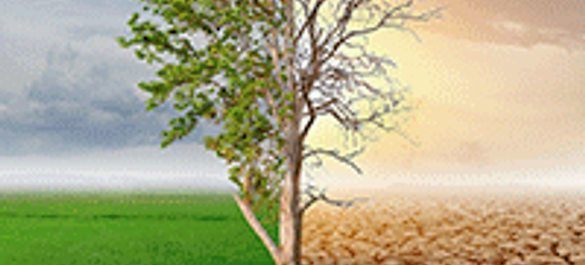
A tree divided in two: left-side lush with green leaves surrounded by grass and the right-hand side barren, in a drought landscape.

Climate Change: Microbes as our Allies

Micro-organisms infiltrate every corner of the built and natural worlds. Microbiology research deepens our understanding of the challenges we face and aids the development of policies to combat the consequences of climate change. You can read our new climate change briefing here.

sustainable-agriculture-thumbnail.jpg

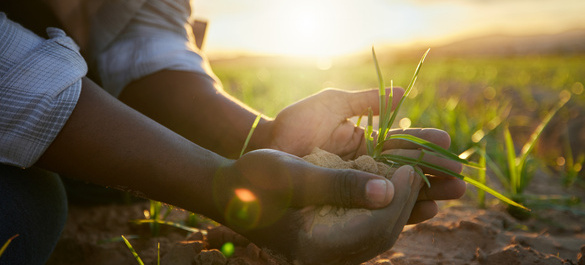
Soil Health Explainer

The quality of soil and its suitability for growing crops has been important since humans developed agriculture. It is now known that soil microbiomes are diverse communities with complex interactions, made up of a vast array of bacteria, fungi, archaea, protists and viruses, which are crucial for carbon and nutrient cycling, plant health and even soil structure.

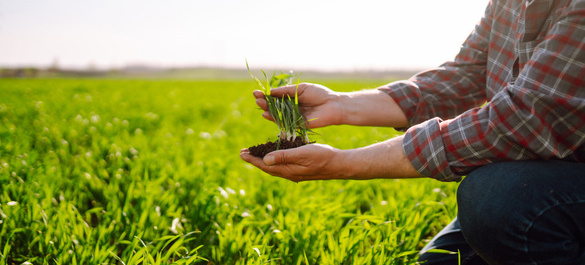
Field of lush green grass and a person in a tartan shirt holding soil and grass in their hands.

A Sustainble Future: Soil Health Policy Report

The EU has raised soil health as one its top 5 priorities and many global initiatives are emerging in the area of soil protection. The UK should take advantage of this increased profile to consolidate active communities working together to improve the uptake and development of new sustainable land management practices.

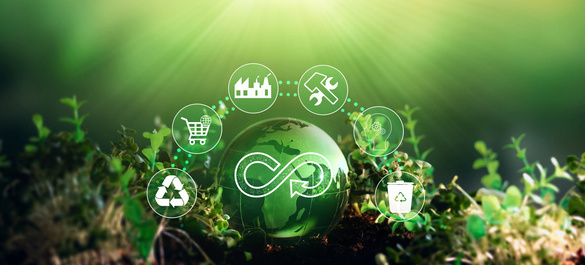
Green globe with an infinity logo, surrounded by recycling icons

Circular Economy Explainer

The circular economy is based on the principles of designing out waste and pollution, keeping products and materials in use, and regenerating natural systems.

Field of grass and a person holding soil and grass in their hands.

A Sustainable Future: Circular Economy Policy Report

Open and broad collaboration is essential to realising the transition of our society from a linear to a circular economy, which is interlinked with the challenge of achieving climate neutrality. Microbiologists must engage the wider public, policymakers and industry to inform the debate on addressing grand challenges and showcase the positive impacts of microbiology for society as a whole.

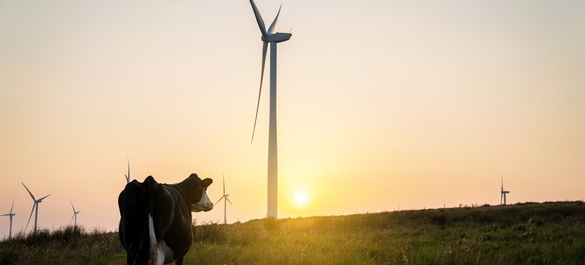
Sunset background filled with wind turbines and a lone cow in centre frame.

A Sustainable Future: Project Statement

The need for sustained microbiology research and innovation in AMR, circular economy and soil health is imperative to help deliver the SDGs, particularly those related to poverty and hunger (SDGs 1 and 2), economic growth (SDGs 7 and 8), production and consumption (SDGs 2, 9, 11 and 12), good health and wellbeing (SDG 3) and the environment (SDGs 6, 13, 14 and 15).

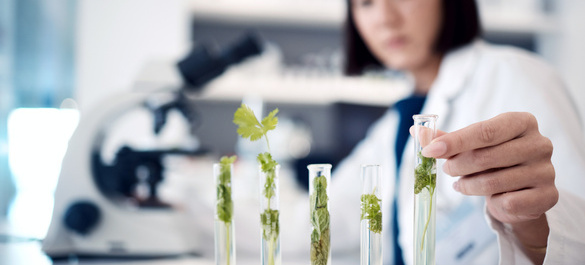
5 test-tubes filled with plants, with a laboratorist and a microscope in the background.

Microbiology and Climate Change

Micro-organisms play crucial roles in climate change as users and producers of greenhouse gases. Climate change is increasing risks to public health and agriculture from microbial diseases. Managing and harnessing microbial processes could help us mitigate and adapt to climate change.


Image Credits 

iStock/VV Shots

iStock/DenKuvaier

iStock/ Galeanu Mihai

iStock/Salarko

iStock/PeopleImages

iStock/jmci

iStock/anyaivanova

iStock/Vladislav Zolotov